
Sustainable Weight Loss Habits
I am going to start by saying, the most important part of weight loss is a calorie deficit. No one can dispute this.
The words I have written help to explain WHY this can be difficult.
If you've ever lost weight, regained it, then gained a little extra for good measure, you've probably had the thought: "I know what to do... I just need more willpower." It's one of the most common things I hear in clinic. Women come to me frustrated and defeated.
They tell me they've "tried everything." Low carb. Keto. Fasting. Shakes. Meal plans. Detoxes. The latest social media trend. The old faithful diet they revisit every January because it worked before.
And that's the important part. Most diets do work initially- it doesn’t matter “how” you eat, a calorie deficit = weight loss. The scales move. Clothes fit differently. People comment. Then somewhere along the way things begin to change. Hunger becomes louder, cravings increase, energy starts dipping, progress slows and life gets busy. Thing is, long term calorie restriction “isn’t it”, and the research backs it up.
“Thing is, the problem isn’t a lack of motivation. Your body is simply doing exactly what it evolved to do. ”
Understanding this can completely change the way you approach your health, and honestly, I think it's one of the most empowering conversations we can have.
Thousands of years ago humans lived in a very different environment. Food wasn't available everywhere. There was no drive-through, no supermarket open late, no food delivery apps and definitely no snack cupboard calling your name at 8:30pm. Periods of food scarcity were completely normal, so the human body developed some incredibly clever survival systems designed to keep us alive.
When food intake dropped, the body adapted by conserving energy, reducing metabolic output, increasing hunger signals, encouraging us to seek out energy-dense foods and holding onto stored body fat. Back then this was genius. It helped us survive famine and ensured our species kept going. The issue is that our biology has changed very little while our environment has changed dramatically.
Now we live in a world where food is available almost everywhere, all the time. And not just actual real food, but highly processed, highly rewarding, highly palatable foods designed to taste amazing and encourage us to come back for more. Meanwhile, our ancient biology is still quietly operating in the background.
This is where things become really interesting because most diets create some form of calorie deficit. Initially the body responds well. Weight drops, motivation increases, people feel good and results happen fairly quickly. Then your biology notices.
Research has shown that even modest amounts of weight loss can trigger a series of protective mechanisms within the body.
One of the major hormones involved is ghrelin, often called the "hunger hormone." Ghrelin is released primarily from the stomach and signals your brain that it's time to eat. As body weight decreases, ghrelin levels can rise. In simple terms, you aren't imagining being hungrier… you genuinely are hungrier.
At the same time, hormones involved in fullness and meal satisfaction can become less effective. Instead of finishing a meal and feeling comfortably satisfied, you may find yourself thinking, "I just want a little something else." Then that little something somehow becomes four Tim Tams and half the pantry.
Your body also starts becoming more efficient with energy use. In simple terms, you begin burning fewer calories. Again, this isn't your body trying to sabotage you. It's your body protecting survival while calories are scarce.
Even your brain begins adapting. Food preferences can change and suddenly foods you were ignoring become much more attractive. The bakery smells stronger. Chocolate looks more tempting. The chips seem to have developed some strange magnetic pull from the pantry. This isn't because you've suddenly become weak or lazy. Your brain is simply trying to encourage you to restore energy stores.
The problem isn't usually that people don't know how to diet. Most women I see know exactly how to lose weight. They know how to eat less. They know how to survive on salads and coffee (please don’t do this!). They know how to white-knuckle their way through weeks and months of restriction.
But sustainable health isn't built on surviving. It's built on learning how to eat well.
Because eventually life shows up. Children get sick. Work becomes chaotic. Stress increases. Sleep becomes terrible. You get invited out. You're exhausted. And if your entire health plan relies on perfection, eventually it falls apart.
What am I talking about though? How do I tell my body we are not in the middle of a famine?! This my friends, is the secret to sustainable weight loss, and I am not going to lie, you already know it all, you just aren’t taking it seriously.
The importance of Protein
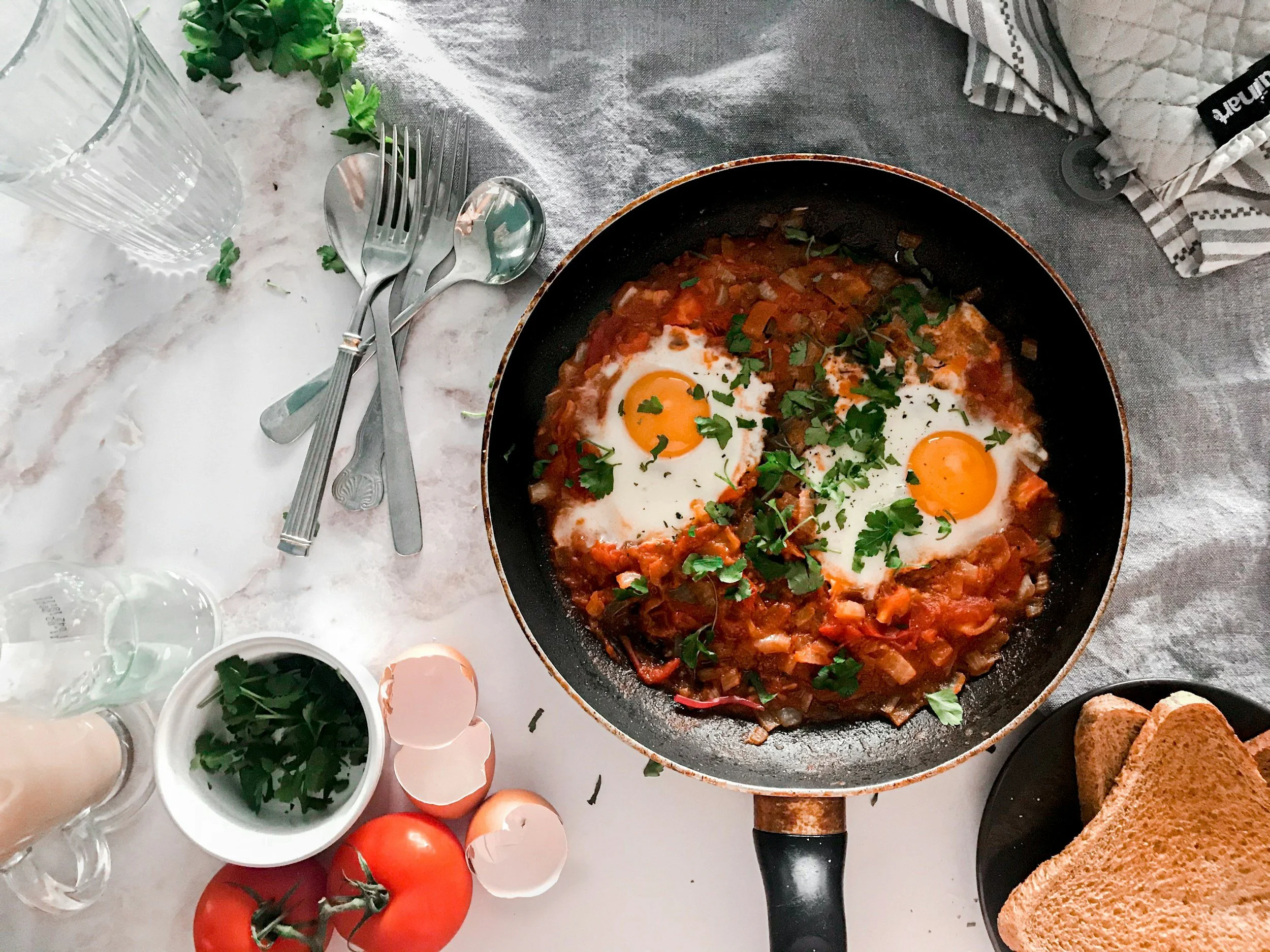
Protein plays an incredibly important role during weight loss and maintenance because it helps support muscle mass, preserve metabolic health, improve fullness, reduce hunger and stabilise energy levels. Maintaining muscle is important because muscle tissue is metabolically active. During aggressive weight loss, people often lose not only body fat but muscle tissue as well. If muscle drops too much, metabolism can slow further (yep! So lift heavy shit as well please!).
I frequently encourage patients to spread protein across the day rather than trying to cram it all into dinner. For many people, aiming for around 30 grams of protein at main meals can be helpful. This might look like eggs or Greek yoghurt at breakfast, salmon or chicken at lunch, and a balanced dinner containing fish, chicken, legumes, tofu or other quality protein sources.
It’s also really useful to “front load” your protein and calorie intake and eat a solid breaky with all the good stuff, including veggies and high fibre foods. Interestingly, we burn about 2.5x more calories in the morning, so try eating big à small across the day. Trust me, it works, and has changed the lives of so many of my patients.
Fibre, it’s her time to shine!
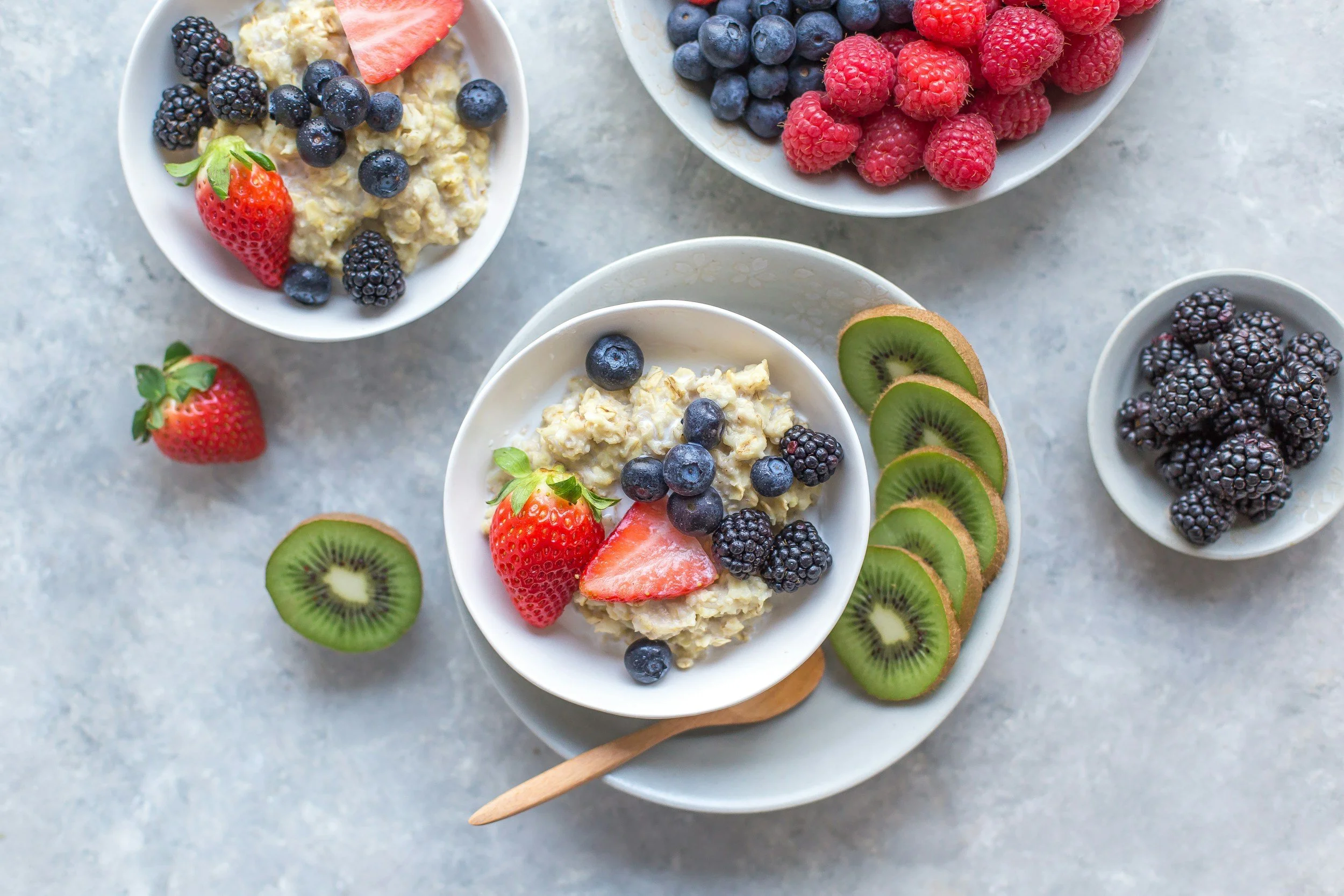
Fibre is another nutrient that quietly deserves far more attention than it gets. Protein gets all the social media hype while fibre sits patiently in the corner doing all the work. Fibre supports satiety, blood glucose regulation, gut microbiome health, cholesterol, bowel health and appetite regulation. Many adults are consuming far less than they need.
Increasing fibre doesn't have to involve complicated rules. It simply means increasing intake of vegetables, fruits, oats, whole grains, beans, lentils, nuts and seeds while creating more variety in the diet. I often encourage people to aim for around 30 grams daily. And the aim is to “eat the rainbow”, meaning VARIETY is the key here.
Another concept that often surprises people is that eating more food can sometimes help support weight loss. Before you get too excited, I don't mean more chocolate and wine. I mean increasing food volume through nutrient-dense whole foods.
Your stomach and brain respond not only to calories but also to stretch, volume, and overall meal satisfaction. Large meals filled with vegetables, protein, legumes and healthy fats create significantly greater fullness than highly processed calorie-dense foods (that take up less space in the stomach).
Instead of a ham sandwich and a handful of crackers, think large colourful meals that include lean protein, plenty of vegetables, whole grains and healthy fats. More nutrition. More fibre. More volume. More satisfaction. Less chance of finding yourself standing in front of the pantry later wondering what happened.
Take a diet break

One of the biggest mindset shifts I discuss in clinic is the concept of diet breaks. We've been taught that success means constant restriction. Eat less. Push harder. Stay on the plan. Never stop. I can’t say many people actually take up this recommendation, but the ones that do… they know where it’s at!
Solid evidence suggests our bodies may respond better to periods of maintenance built into the process. Small amounts of progress followed by a pause. Then progress again. This helps to counteract that caveman physiology. It’s hard to suck it up and go back to maintenance when you are seeing results, but I promise you, it is the only way to keep it off.
Rather than a cycle of restrict, burn out and regain, it becomes a process of progress, maintain, progress and maintain.
There are different methods with this restriction cycling. I have seen 4 weeks on – 2 weeks off and 4 weeks on 4 weeks off work really well. We ideally like to see an average of 500g loss weekly in the “on” period. Any more can amp up the protective physiology. And on the off, we don’t go crazy, we are just going back to maintenance calories.. a nice safe place for the brain to readjust.
What about sleep, stress and hormones?

None of these things “cause” weight gain.
The physiological effects on the body though make losing weight harder than it has to be. Remember “ghrelin” the hunger gremlin hormone, well that increases with both poor sleep and chronic stress. Insulin resistance can also occur as well. This physiology makes eating less VERY difficult!
You can’t blame hormones either, they don’t directly cause weight gain, BUT dysfunction within the endocrinological system makes it very difficult to eat in a calorie deficit. Pathology screening is a useful tool if you are struggling to lose weight, just to make sure we aren’t up against any roadblocks. And guess what, if we do find something, we aren’t even thinking about calorie intake, we are getting the body to a state of health first and then we talk calories.
A little side note for the peri- and post menopausal ladies in the room.
Your sex hormones are not the issue, the fact you haven’t pivoted your habits to suit them is. “I haven’t changed anything Jody, but I keep gaining weight” … that right there is the answer to your problem. The way you eat, what you eat, and how you move has to shift in these phases, or yes, it becomes very difficult to keep the weight off. If you have come into this phase of life undernourished, and under “moved” (aka exercise), the resultant lack of muscle mass is a big part of the problem, and until you build on that, your metabolism is going to be pretty shit quite frankly.
All I’m saying is, YES it gets harder, but you need to pivot!
Finally, one of the most powerful things I see happen in clinic is when women stop making the scales the sole measure of success. Because often improvements happen long before dramatic weight changes. Better sleep. More energy. Better mood. Fewer cravings. Better blood sugar regulation. Improved digestion. Feeling more like themselves again.
These things matter. A lot.
I can tell you from first hand experience, changing the diet and optimising exercise for weight loss has a 12 week lag. There is no science in this, rather 20 years of clinical experience. Most people give up before that point though! SO give it time. Make life long changes. And reap the long term rewards!
Because sustainable weight loss is about understanding your biology, working with your body rather than against it, and learning how to eat well enough that your habits still work years from now.
Better choices, repeated often enough that they become part of your life.
Oh and don’t forget, lift heavy shit, and move the body regularly, muscle is your calorie burning engine!
If you are after more specific information regarding stage of life, such as peri and post menopause, click the pic below to check out the Well Balanced Woman Program.

WELL BALANCED WOMAN ONLINE COURSES